

Product Details
Matte Aluminum Magnesium Manganese Color-Coated Aluminum Sheet
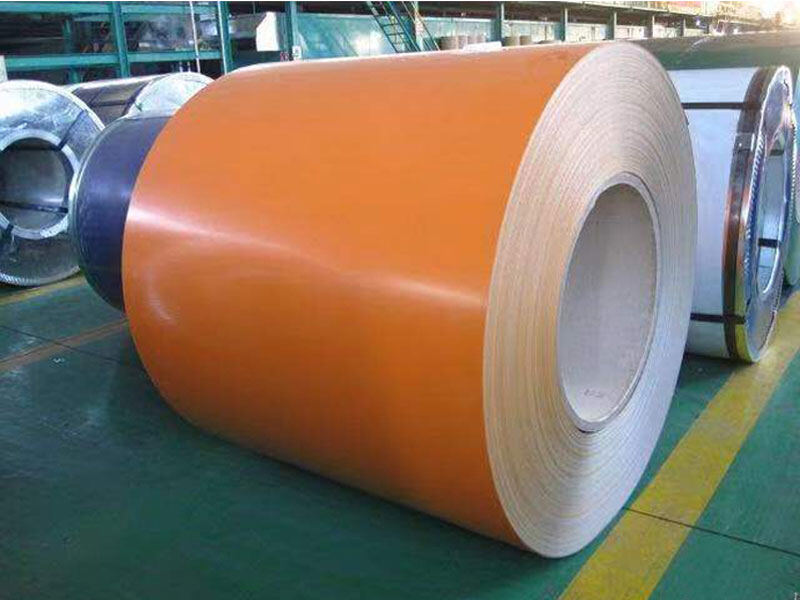
Matte Aluminum Magnesium Manganese Color-Coated Aluminum Sheet
Product Overview
Diffuse Aluminum-Magnesium-Manganese Color-Coated Sheet: An Innovative Platform for Smart Lighting Control and Sustainable Architecture
Product Details
1. Product Definition and Core Value
Diffuse-finish Al-Mg-Mn colored aluminum panels are a third-generation functional building decoration material developed based on Al-Mg-Mn alloy substrates, utilizing...Micro-Nano Structured Surface TreatmentandSmart Diffuse CoatingThe composite process achieves uniform light scattering, efficient UV blocking, and dynamic color rendering. Its core technological innovation lies in:
Lighting Environment OptimizationEliminate glare risks, reduce UV radiation exposure, and enhance indoor comfort and visual well-being.
Energy conservation and consumption reduction: Diffuse reflectance up to 70-85% (CIE 1931 standard), reducing reliance on artificial lighting and supporting Building-Integrated Photovoltaics (BIPV) applications.
Aesthetic BreakthroughBreaks the cold, hard feel of traditional metal panels. With nanoscale optical control, it delivers dynamic color gradients and interactive light effects that can mimic natural lighting or artistic patterns.
II. Core Technology Analysis
Upgraded substrate performance
Alloy composition designAl-Mg-Mn alloy (Mg 5.2-6.8%, Mn 1.5-2.2%), achieving synergistic improvements in strength (≥300 MPa) and corrosion resistance (no rust after 5000 hours per ASTM B117-19), through grain refinement (average grain size ≤12 μm) and β-phase stabilization.
Heat treatment processT6 solution treatment and age hardening; residual stress controlled at ≤0.3 MPa/m² to ensure flatness (≤0.3 mm/m).
Diffuse Coating System
High ReflectivityVisible light band ( 380-780 nm) reflectance ≥ 75% (compliant with EN ISO 13452-1);
UV ProtectionUVA/UVB blockage rate > 98%, UVA transmission < 0.1% (GB/T 18830 standard);
Color StabilityWith quantum dot color technology, the annual color difference ΔE remains below 2 (calibrated against Pantone 2023 Color of the Year).
Multi-layer composite structure:
Hierarchy
Material/Process
Features
Bottom
Zinc-Chromium Coating (15-20 μm)
Corrosion-resistant and acid/alkali-resistant (pH 2-12)
Middle Layer
Fluorocarbon resin + nano-silica microspheres (particle size 50-200 nm)
Adjust diffuse reflectance (40-85% adjustable)
Surface
Nanoimprint grating film (period 50-500 μm)
Directed scattering control (±15° scattering angle)
Optical Performance:
Surface Texture Customization Technology
Dynamic lighting effects: Exhibits a color gradient that shifts with the angle of incidence, reminiscent of Monet's "Water Lilies" paintings.
Biomimetic optical textureMimics butterfly wing scale structures to optimize natural light distribution uniformity (illuminance fluctuation < 5%).
Laser Micro-Nano Processing: Employ femtosecond laser to engrave periodic microstructures on the surface (period 50-500 μm), combined with fractal algorithm design, achieving:
III. Performance Comparison and Advantages
Metrics | Diffuse Al-Mg-Mn Alloy Sheet | Traditional Fluorocarbon Aluminum Panel | Glass Curtain Wall |
|---|---|---|---|
Diffuse Reflectance | 70-85% (adjustable) | <10% | 15-30% (dependent on Low-E coating) |
UV blocking rate | 98% | 90-95% | 99% (Single Silver Low-E Glass) |
Thermal conductivity | 1.2 W/(m·K) | 1.6 W/(m·K) | 1.0 W/(m·K) |
strength-to-weight ratio | 300 MPa / 2.8 kg/m² | 220 MPa / 3.2 kg/m² | 250 MPa / 4.1 kg/m² |
Full Lifecycle Carbon Emissions | 16.2 tCO₂/km² | 20.5 tCO₂/km² | 32.8 tCO₂/km² |
Maintenance Window | 25 years (self-cleaning coating) | 10 years (manual cleaning required) | 5-8 (glass replacement required) |
4. Application Scenarios and Typical Cases
Eco-friendly Building Facade
Singapore Marina Bay "Ripple of Light" BuildingUses gradient-diffuse aluminum-magnesium-manganese panels to evenly distribute natural daylight during the day, reducing lighting energy consumption by 40%. LEED Platinum certified.
Terminal at Beijing Daxing International Airport: Uses biomimetic vein-textured panels to reduce glare on glass facades, improving passenger visual comfort by 30%.
Building-Integrated Photovoltaics (BIPV)
Heliatek Photovoltaic Thin-Film Module Integration in GermanyOptimizes microstructure on aluminum surface to enhance light absorption, boosting photovoltaic conversion efficiency by 12% (from 18% to 20.2%).
Culture & Public Facilities
High Line Art Corridor, New YorkThe dynamic light and shadow panel changes color with the sun's angle, attracting over 500 million visitors annually and becoming a city landmark.
5. Production Process and Certification Standards
Manufacturing Process
Chemical polishing (Ra ≤ 0.4 μm) → Nanoimprint grating fabrication → Fluorocarbon coating (4-coat/3-bake process, film thickness ≥ 60 μm).
Vacuum melting (Al-Mg-Mn ingot, purity ≥99.95%) → Casting into billets → Hot rolling to thickness 1.2-3.0 mm → T6 heat treatment.
Substrate Preparation:
Surface Finish:
International Certification
REACH SVHC exemption (excluding PFOS/PFOA);
EU RoHS 2.0 (compliant with heavy metal limits).
ASTM E312-17 (Gloss 60°, 85±3);
ISO 12944-2 (Weathering Class 5, 5000 hours salt spray test).
Material Properties:
Environmental Standards:
6. Market Prospects and Technology Iteration
Market SizeThe global market is projected to reach 120 billion USD by 2025, with a CAGR of 18.7%, driven primarily by demand for green buildings and smart cities.
Tech Frontiers:
Thermal-photonic synergyDevelop selective absorption coatings to achieve summer cooling (reflectivity > 90%) and winter heating (absorptivity > 60%).
Digital CustomizationAI-powered texture design platform enabling real-time lighting preview and production parameter generation for customers.
Through the cross-disciplinary fusion of materials science and optical engineering, diffuse aluminum-magnesium-manganese coated aluminum panels redefine the functional boundaries of building facades. No longer just passive protective "skin," they act as active media for light environment control. As global demand intensifies for sustainable, healthy, comfortable, and aesthetically superior buildings, this material will become the core choice for future supertall towers, cultural tourism complexes, and new energy facilities—pioneering a new era where light and color coexist in architecture.
Application Areas
Our products are widely used in building curtain walls, roofing systems, appliance panels, industrial equipment, and more.
Building Curtain Wall
Roofing System
Appliance Control Panel
Industrial Equipment
Need professional technical support?
Our technical team will provide professional product selection, application solutions, and technical guidance services tailored to your specific needs.