

Product Details
Cold-rolled oxidized aluminum plate
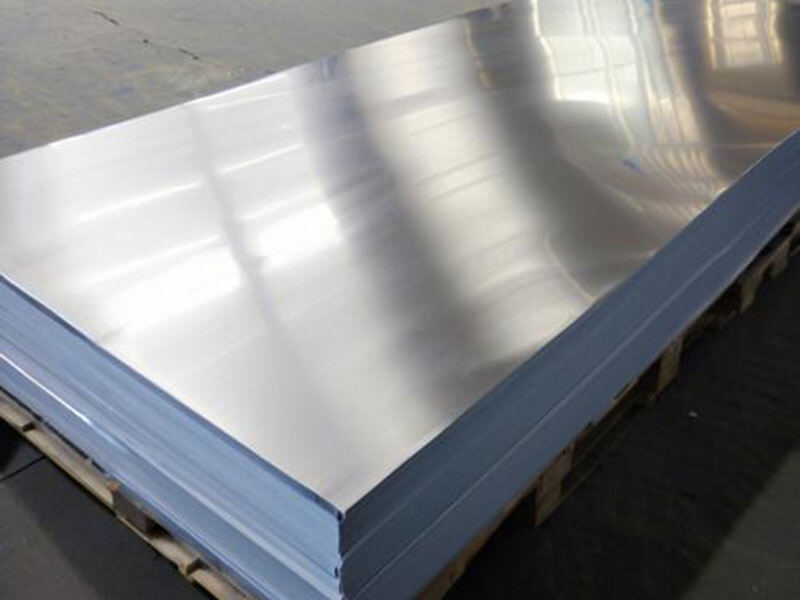
Cold-rolled oxidized aluminum plate
Product Overview
Cold-rolled anodized aluminum sheets are high-performance composite materials made from aluminum ingots through cold rolling (at temperatures below the recrystallization point) followed by anodic oxidation. They combine the mechanical properties of a metal substrate with the protective characteristics of an oxide film.
Product Details
1. Material Definition and Process Flow
Cold-rolled oxidized aluminum plate is made from aluminum ingots throughCold rolling process(below recrystallization temperature) andAnodizingHigh-performance composite material combining the mechanical properties of a metal matrix with the protective characteristics of an oxide layer.
2. Core Production Process
Cold Rolling Process (1)
Temperature ControlRolling temperature is controlled below the recrystallization temperature (approximately 250–400°C) to prevent grain coarsening.
Rolling methodUses single-stand or multi-stand continuous rolling (e.g., three-high mill). Plate thickness is reduced through multiple passes with a total reduction of 5–30%, achieving a final thickness of 0.1–3 mm.
AnnealingAfter rolling, perform low-temperature annealing at 150–200°C to relieve internal stresses and restore material ductility.
Anodizing (2)
Electrolyte: Use common sulfuric acid (density 1.8–2.0g/cm g/cm³) or oxalic acid solution at voltage 12–24 V and temperature 15–20°C.
Film formationAluminum serves as the anode and undergoes oxidation in the electrolyte to form a dense, porous aluminum oxide film (3–10 μm thick).
Post-processing:
Clean: Remove residual electrolyte from the surface.
SealSeal micropores with boiling water or organic solvents to enhance corrosion and weather resistance.
3. Key Performance Indicators
Performance Category | Specific Parameters |
|---|---|
Physical Properties | - Thermal conductivity: 237 W/(m·K) |
- 热膨胀系数:23.1×10⁻⁶/℃
- 密度:2.7 g/cm³
- 硬度:HV 500–1500(氧化膜硬度达宝石级)
| Chemical Properties| - Corrosion Resistance: Passes GB/T 9278 salt spray test (≥2000 hours)
- Acid & alkali resistant: stable within pH 2–12
- Self-cleaning: Low surface electrostatic attraction, resists dust accumulation |
| Machinability| - Bend radius: ≥1.5t (t = sheet thickness)
- Formability: Can form complex structures in a single step
- Weldability: Suitable for TIG/MIG welding |
4. Structure and Function of the Oxide Film
microstructure: The oxide film has a hexagonal honeycomb porous structure with pore diameters of approximately 50–100 nm and a porosity of 30–40%.
Features:
Corrosion-resistantThe dense coating prevents electrolyte penetration and offers strong resistance to chloride ion corrosion.
WeatherabilityMaintains color stability for over 10 years in outdoor use (UV absorption rate > 90%).
Insulation: Volume resistivity > 1 × 10¹⁴ Ω·cm, suitable for electronic packaging.
5. Typical Application Areas
(1) Premium Construction Sector
Curtain Wall SystemUltra-thin cold-rolled oxidized aluminum plate (0.8–1.2mm) for modern building facades, combining lightweight design (only 1/3 the weight of glass) with high strength (wind pressure resistance ≥4kPa).
Decorative PanelAchieves metallic finishes in gold, silver, and more via PVD coating technology for premium interior decor.
(2) Precision Industrial Manufacturing
Electronic Components: PCB substrates and chip carriers, leveraging high insulation and thermal dissipation.
Semiconductor Equipment: Cavity wall material, resistant to high-temperature plasma corrosion (temperature ≤ 800°C).
(3) Special Scenario Requirements
Aerospace: Satellite antenna reflectors and spacecraft thermal insulation layers, withstand extreme temperature fluctuations from -270°C to +300°C.
Medical Cleanroom: Surface antimicrobial coating (with silver ions), meeting ISO 14644-1 Class 5 cleanliness standards.
6. Technology Trends
nanometer-scale oxide film: Prepare nanoscale oxide films (<50 nm) via pulse plating to enhance wear resistance and optical performance.
Functional CoatingsDevelop conductive oxide films (ITO), self-healing coatings, and other technologies to expand application boundaries.
Green Technology: Utilize low-temperature acid-free oxidation techniques (e.g., plasma oxidation) to reduce energy consumption and environmental pollution.
7. Competitive Advantages
Comparison Items | Cold-rolled oxidized aluminum plate | Standard Aluminum Alloy Sheet | Stainless Steel Plate |
|---|---|---|---|
Corrosion Resistance | 10μm coating, salt spray life > 5000h | Requires surface anodizing. | Relies on chromium/nickel alloy elements |
Processing Cost | Medium (requires specialized equipment) | Low | High (requires complex heat treatment) |
Eco-friendliness | Recyclable and Reusable Rate > 95% | Moderate recovery rate | Difficult to Recycle (Contains Heavy Metals) |
Cold-rolled oxidized aluminum plate passesMaterial InnovationandProcess Optimizationhas become a core material in high-end equipment, precision electronics, and green building sectors, with its technological evolution continuing to drive transformation and upgrading across multiple industries.
Application Areas
Our products are widely used in building curtain walls, roofing systems, appliance panels, industrial equipment, and more.
Building Curtain Wall
Roofing System
Appliance Control Panel
Industrial Equipment
Need professional technical support?
Our technical team will provide professional product selection, application solutions, and technical guidance services tailored to your specific needs.