

Product Details
Metal Embossed Panels
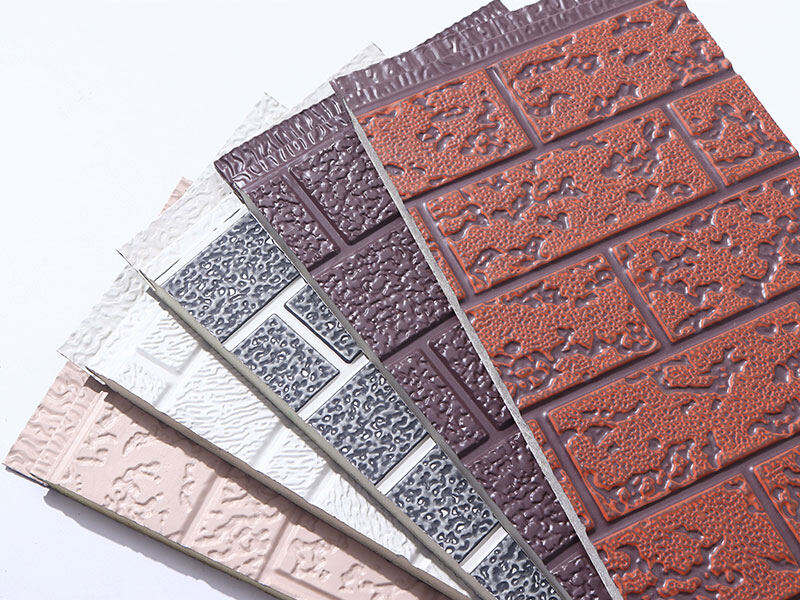
Metal Embossed Panels
Product Overview
Metal floral panels are decorative composite materials made from aluminum alloy sheets (such as the 6061 and 6063 series) that feature three-dimensional patterns created through precision die carving, etching, or laser processing.
Product Details
1. Definitions and Classifications
Metal embossed panels are decorative composite materials made from aluminum alloy sheets (such as the 6061 and 6063 series) as the base material, featuring 3D patterns created through precision die carving, etching, or laser processing. They are classified by manufacturing process as follows:
Mold engraving plateTextured via CNC or hydraulic stamping for high precision, with depths up to 0.5~3mm.
Chemical Etching PlateEtch intricate patterns into substrates using FeCl₃ solution, ideal for complex and detailed designs.
Laser Engraving PlateHigh-energy laser cutting on the substrate surface creates micro-textures with a minimum line width of 0.1mm.
II. Material Properties
Substrate Performance
6061-T6Tensile strength ≥ 310MPa, yield strength ≥ 270MPa; suitable for high-strength load-bearing structures.
6063-T5Surface hardness HV ≥ 120; easy to machine and form; primarily used for decorative components.
Alloy system:
Density: 2.7g/cm³ (lightweight advantage, 3 times lighter than steel).
Corrosion ResistanceNatural oxide film thickness: 10~15 μm; salt spray test duration: >2000 hours (ASTM B117).
Surface Treatment Characteristics
Weather resistance of 25 years (QUV aging test > 2000 hours), with self-cleaning surface (contact angle > 110°).
Film thickness: 10–25 μm; dyeing stability (ΔE < 2, GB/T 12967-2008).
After sealing, chloride ion penetration resistance exceeds 5000 hours (ASTM G154).
Anodizing:
Fluorocarbon Coating:
3. Production Process Flow
Substrate Pre-treatment
CleanAlkaline degreasing (pH 12~14, temperature 60~80°C) to remove surface oil.
EtchingEtch surface with HNO₃ solution (10%–15%) to improve adhesion.
Pattern Processing
CO₂ laser (power 2~5 kW), scan speed 50~200 mm/s, minimum pulse width 0.1 μs.
Precision mold (CNC tolerance ±0.005mm) embossing pattern; single press depth: 0.1~1mm.
Residual Stress Control: Surface compressive stress 50~100 MPa to suppress crack propagation.
Mold engraving:
Laser Engraving:
Surface Finish
Two-coat, two-cure process; dry film thickness ≥ 35 μm; pencil hardness ≥ 2H (GB/T 9278).
Chinese
Anodizing:
Fluorocarbon Coating:
Post-processing
Bending and Forming: Minimum bend radius ≥ t²/(1.5δ) (t = plate thickness, δ = yield strength).
Welding Process: TIG welding (current 80~120A), weld strength ≥ 90% of base material.
4. Performance Metrics
Mechanical Properties
Tensile Strength: ≥270MPa (6061-T6 status)
Bending stiffness: EI = E×I (E=7 GPa, I is the section moment of inertia)
Impact ToughnessCharpy V-notch impact energy ≥ 15J (at -20°C)
Decorative Metrics
Surface roughness: Ra 0.8~3.2 μm (depending on pattern depth)
Color Difference Control: ΔE ≤ 1.5 (CIE Lab standard)
Gloss: Glossy surface ≥ 85GU, Matte surface ≤ 20GU
Durability Metrics
WeatherabilityAfter 2000 hours of QUV aging, Δb* ≤ 3% (GB/T 29743-2013)
Corrosion ResistanceSoak in 10%NaOH solution for 24 hours; mass loss < 0.5%
V. Typical Application Areas
Premium Building Facades
Replaces traditional stone/glass; reduces weight by 50% and offers superior wind pressure resistance (design value ≥ 4kPa/m²).
Case Studies: A landmark building in Dubai uses 6061-T6 aluminum carved panels. With a total curtain wall area of 12,000 sqm, the construction timeline was shortened by 30%.
New Energy Vehicle Interior
LightweightDoor trim thickness: 0.8mm; weight reduction: 1.2kg/㎡; fuel economy improvement: 0.5%.
Feature Integration: Surface micro-pore structure achieves sound absorption and noise reduction (NRR ≥ 20 dB).
Precision Instrument Panel
Anti-staticSurface resistance < 1 × 10⁶ Ω (ISO 18184) to prevent damage to electronic components.
Thermal DesignThermal conductivity: 237W/m·K, designed to meet heat dissipation needs for high-power devices.
Luxury Product Packaging
Luxury Gift Box5mm thick aluminum carved panel with UV ink printing; scratch-resistant (pencil hardness ≥ HB).
Electronics Packaging: Shielding effectiveness > 40 dB (FCC Part 18 standard).
VI. Technology Development Trends
Composite Functionalization
Photochromic: TiO₂ nanocoating (thickness 1 nm), tunable transmittance under UV irradiation (10%–80%).
Electromagnetic Shielding: Copper-clad aluminum composite panel (copper layer thickness ≥ 50 μm), shielding effectiveness > 60 dB.
Green Manufacturing
Short-cycle recyclingWaste pyrolysis recovery rate exceeds 98%, with carbon emissions reduced by 45% compared to traditional processes.
Chromium-free pretreatment: Silane coupling agents replace Cr⁶⁺, reducing wastewater toxicity by 90%.
VII. Selection Criteria
Use Cases | Recommended Alloys | Surface Finish | Key Metrics |
|---|---|---|---|
Building Curtain Wall | 6061-T6 | Fluorocarbon spray coating + anodizing | Weather resistance > 25 years, thickness ≥ 2mm |
New Energy Vehicle | 6063-T5 | Micro-arc oxidation | Conductivity < 10⁻⁴ S/cm; Temperature resistance: -40°C to 120°C |
Precision Instruments | 6061-T6 | Electroplated Nickel | Surface resistance < 1×10⁶ Ω; flatness Ra ≤ 0.5 μm |
Metal ornamental panels, with their combination of high strength, lightweight design, and decorative appeal, have become the leading material for high-end architecture, automotive, and electronics applications. Future integration of materials genome engineering and digital manufacturing will further expand their use in extreme environments such as flexible electronics and aerospace.
Application Areas
Our products are widely used in building curtain walls, roofing systems, appliance panels, industrial equipment, and more.
Building Curtain Wall
Roofing System
Appliance Control Panel
Industrial Equipment
Need professional technical support?
Our technical team will provide professional product selection, application solutions, and technical guidance services tailored to your specific needs.